 A brand of
Loss of adhesion
Definition
Loss of adhesion can manifest itself in two different ways: there can either be a lack of adhesion between the substrate and the whole paint system or a lack of intercoat adhesion (between the individual coats).
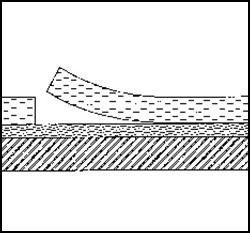
Causes
Loss of adhesion can occur when:
- substances, which can cause adhesion failure, were left on the substrate when it was painted (e.g., silicone, oil, grease, wax, rust, sanding residue, etc.)
- an unsuitable primer was applied to the substrate
- the substrate was sanded insufficiently or not at all
- undercoat or basecoat were applied too dry or too thin
- drying conditions were not respected.
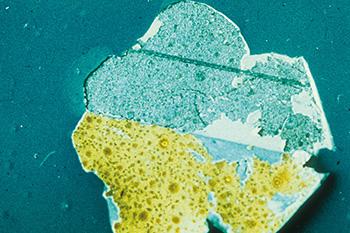
10 x magnification
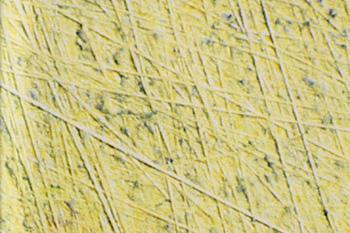
Reverse side of a flake of paint removed from a fine sanded Aluminium substrate (with oxide residue adhering). 50 x magnification
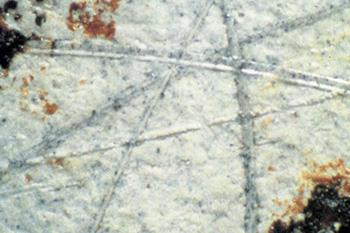
Reverse side of a flake of paint removed from a coarse sanded bodywork surface (with metal and rust residue adhering). 50 x magnification
HOW TO AVOID
To avoid loss of adhesion, always use the suitable primer for the respective substrate (e.g., for aluminum or plastic). Apply undercoat materials as specified (in the technical data sheets). Do not apply excessive film builds. Thoroughly clean the substrate before painting.
REPAIR
Remove all coats with poor adhesion. Thoroughly sand and clean the substrate. Repaint using the recommended undercoats and/or topcoats.